People pay the price
A fossil-fuelled economic crisis
Oil and gas companies are making record profits while people pay the price, again, again, and again. Once at the pump and in energy bills. Again in increased costs of goods and services. Again with the added costs of extreme weather events due to climate change. And again because gas sets the price of electricity, so consumers are unfairly charged more because of gas fluctuations.
Rising costs

The average U.S. household has shelled out an extra $760 each on gasoline and diesel so far this year because of the war in Iran.1
Since the war in Iran started, Oxford Economics has reduced its consumer spending forecasts (a proxy for real wages)2. Saudi Arabia, Australia, the US and Italy are among the hardest hit.
$100,000,000,000
Since the war in Iran started, U.S. consumers have paid over $100 billion extra in higher energy prices. Every two minutes that bill rises by another $1 million.3
Rising economic instability

Governments are not immune to these rising costs. Rising fuel bills mean reduced budgets for other services. These factors compound to drive economic instability, with increasing numbers of bankruptcies and the looming threat of recession.
€104,000,000,000
Since the Iran war, the EU’s fossil fuel bill has risen by €104b.4
12% surge
Bankruptcies worldwide surged by 12% in the first quarter of 2026 compared to the corresponding period last year.5
Rising hunger & poverty

Fuel price spikes linked to the Iran war are causing rises in acute hunger. The World Food Programme estimates that, for the 53 countries with available data, the number of people facing acute hunger will increase by 45 million—from a pre-conflict baseline of 318 million.6
363,000,000 people
Altogether, this means that up to 363 million people could become acutely food insecure in 2026.7

“Research suggests that rising household costs linked to energy cost spikes will push 78–141 million people into extreme poverty across 116 countries.”
Source: Nature.com8
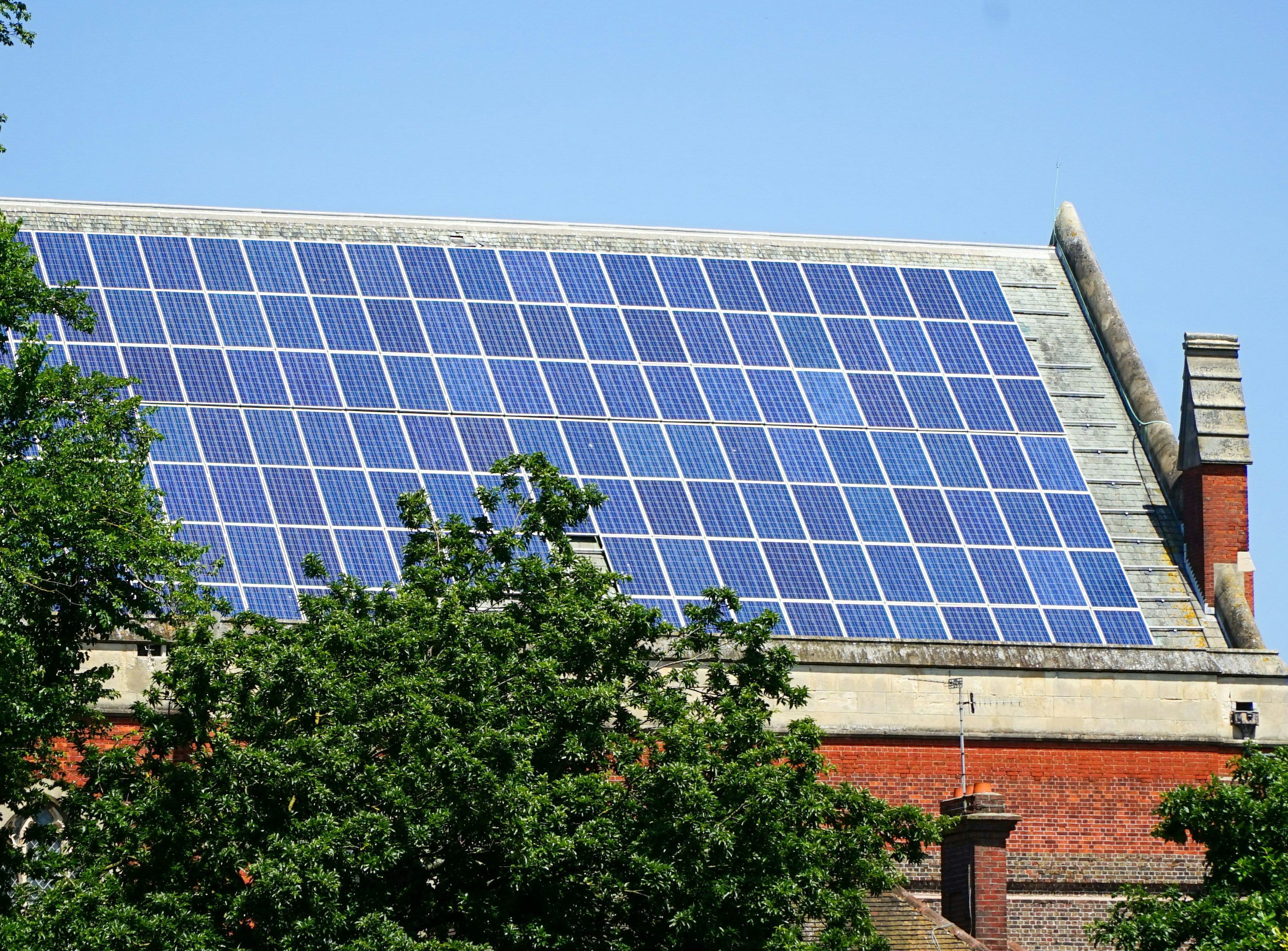
Renewable energy is stable energy
Countries that have invested in renewables are saving their citizens from higher bills and protecting them from the economic instability of future fossil fuel crises.
See the numbers and discover the case for investing in renewable energy for a more stable economy.
Find out more
Renewable energy
=
Future crises are inevitable. Our reliance on fossil fuels is not. Governments must act now and tax excess fossil fuel profits to fund the transition to renewable, stable, safe and affordable energy for all.
Transition fund calculator
Enter an amount below to see how much tax could be generated.
Taxing the 2026 Q1 and Q2 profits of the five oil majors by would generate $6,000,000,000
for the transition to renewables.
Tax Big Oil.
Fund the transition.
Taxing oil and gas’ excess profits to fund safe and clean energy will protect us all from fossil fuelled economic crises.
Sources
Duis aute irure dolor in reprehenderit in voluptate velit esse cillum dolore eu fugiat
Excepteur sint occaecat cupidatat non proident, sunt in culpa qui officia deserunt mollit anim id est laborum
Lorem ipsum dolor sit amet, consectetur adipiscing elit
Sed do eiusmod tempor incididunt ut labore et dolore magna aliqua
Excepteur sint occaecat cupidatat non proident, sunt in culpa qui officia deserunt mollit anim id est laborum irure dolor in reprehenderit in
Excepteur sint occaecat cupidatat non proident, sunt in culpa qui officia deserunt mollit anim id est laborum
Sed do eiusmod tempor incididunt ut labore et dolore magna aliqua
Lorem ipsum dolor sit amet, consectetur adipiscing elit