Profits soar.
People pay the price.
The war in Iran has meant huge profits for oil and gas companies. While billionaires benefit, ordinary people pay the price. We face a cost-of-living crisis, global economic instability, and increased poverty and hunger.
This is not an ‘energy crisis’. It’s a fossil fuel crisis. Countries with the highest reliance on oil and gas have been hit the hardest. Those with the highest use of renewables have been most protected.
This is not the first fossil fuel crisis. Until the world transitions to renewable energy, it won’t be the last. The data is clear: it’s time to tax Big Oil’s excess profits to fund the transition to stable, affordable, renewable energy now.
-

ExxonMobil
-

Total Energies
-

Shell
-

Chevron
-

BP
2026 Q1 + Q2 profits for the top five oil majors totalled over
$300billion1


In the first half of 2026, oil and gas CEOs made over
$5.2billion2
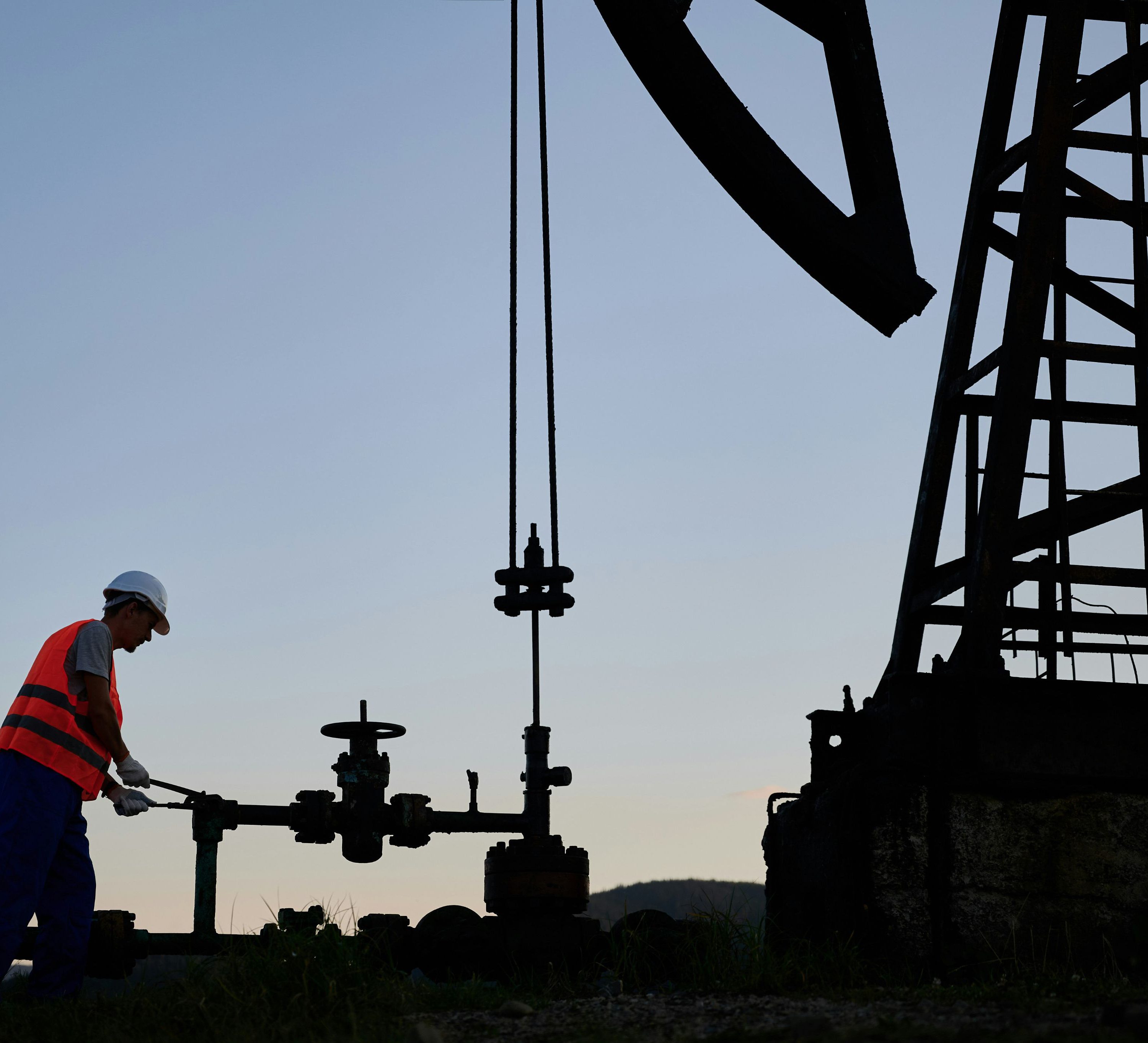
The oil and gas industry is fuelling economic instability
While profits have soared, so have energy prices, fuelling economic hardship and instability for billions of people.
Explore the data:
01
Oil price per barrel
Energy markets
The Ukraine and Iran wars both brought sharp increases in the price of oil.
Source: tradingeconomics.com3
50%
Oil price per barrel has increased 50% since the Iran war.4
Ukraine WarFeb 2022
Iran WarFeb 2026
02
Oil & gas profits
Energy sectors
Global oil and gas company profits have surged following the Iran war.
Source: link here5
$93b
Oil and gas profits have reached a total of $93 billion since the Iran war.6
- ExxonMobil
- Chevron
- Shell
- Total Energies
- BP
Iran WarFeb 2026
03
Fuel costs for consumers
Consumer energy
Since the Iran war, fuel costs for consumers have risen sharply, with significant increases across the UK, Japan, the EU and the US.
Source: link here7
+$760
The average US household has paid $760 in higher gasoline and diesel prices since the start of the Iran war.8
04
Consumer price index
Households
Consumer prices have been rising since 2020. The Iran war has brought even sharper increases.
Source: link here9
As of July 2026, real wages were down 0.8 percent compared to January 2021, meaning that, adjusted for price increases, American workers are making less than they did more than five years ago.10
The Ukraine and Iran wars have brought huge spikes in profits, while fuelling not only a climate crisis but a cost of living crisis too.
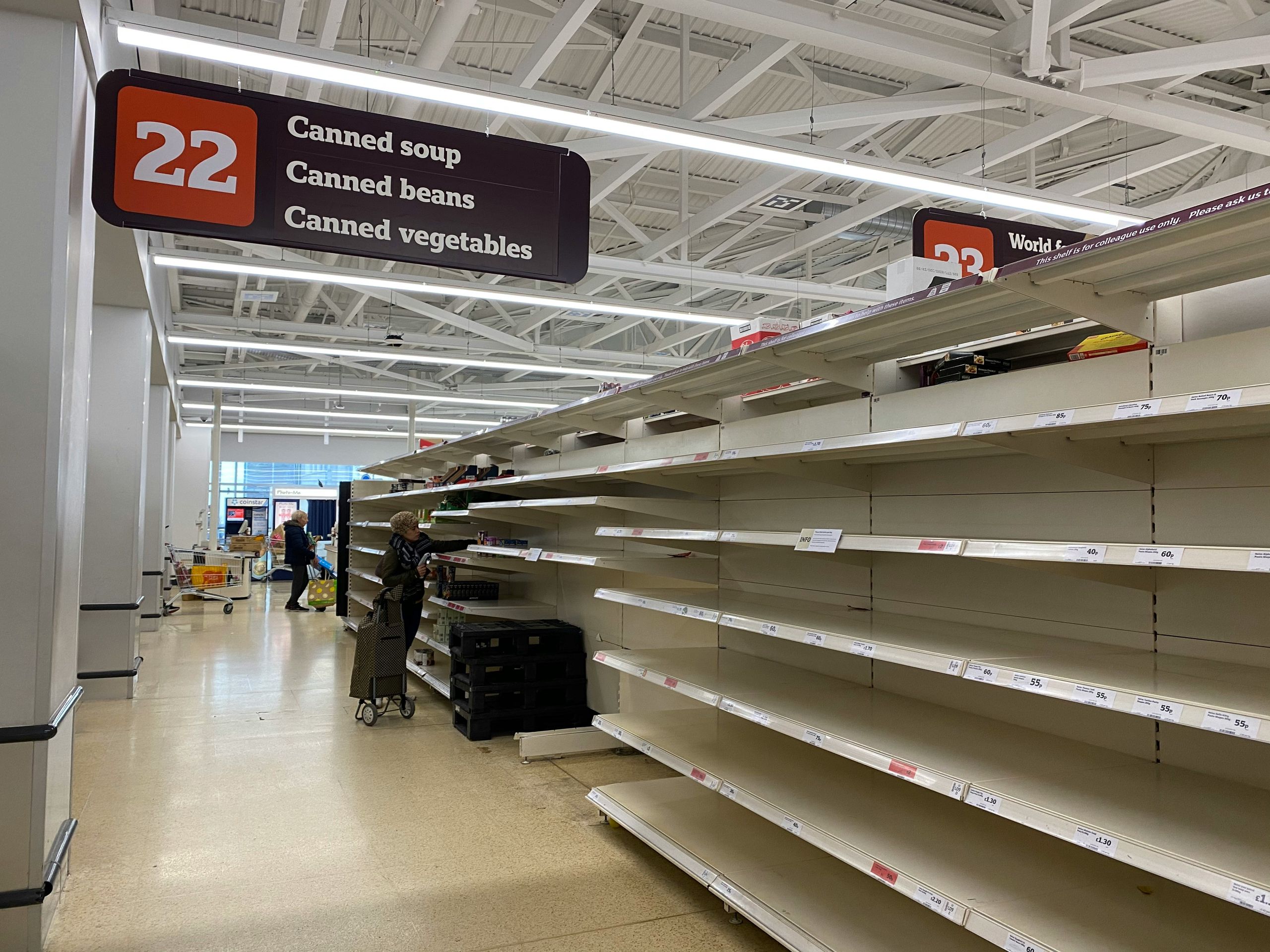
Their profit.
Our loss.
Higher costs of living, more people living in poverty, more people facing acute hunger, more businesses going bankrupt, and government budgets diverted for increased fossil fuel bills. These are the costs of oil and gas profit.
See the numbers and discover how ordinary people everywhere are paying the price for oil and gas profits.
Get the numbers

Renewable energy is stable energy
Countries that have invested in renewables are saving their citizens from higher bills and protecting them from the economic instability of future fossil fuel crises.
See the numbers and discover the case for investing in renewable energy for a more stable economy.
Get the numbers
Renewable energy
=
Future crises are inevitable. Our reliance on fossil fuels is not. Governments must act now and tax excess fossil fuel profits to fund the transition to renewable, stable, safe and affordable energy for all.
Transition fund calculator
Enter an amount below to see how much tax could be generated.
Taxing the 2026 Q1 and Q2 profits of the five oil majors by would generate $6,000,000,000
for the transition to renewables.
Tax Big Oil.
Fund the transition.
Taxing oil and gas’ excess profits to fund safe and clean energy will protect us all from fossil fuelled economic crises.

Sources
Adjusted earnings (Source: company reporting)
Based on UN IHLEG estimated annual costs of climate change by 2030.
Distribution of cash spending by the oil and gas industry, 2008-2022 (Source: IEA)
Global carbon budgets (Source: Global CO2 emissions will reach new high in 2024 despite slower growth, Carbon Brief)
Company emissions: Scopes 1 & 2 – operational control, Scope 3 – category 11, upstream production only, 2023 (Source: company reporting)
2023 Domestic GHG emissions only (Source: EDGAR Community GHG Database)
Total compensation = salary + annual bonus + long term incentives (Source: company reporting)